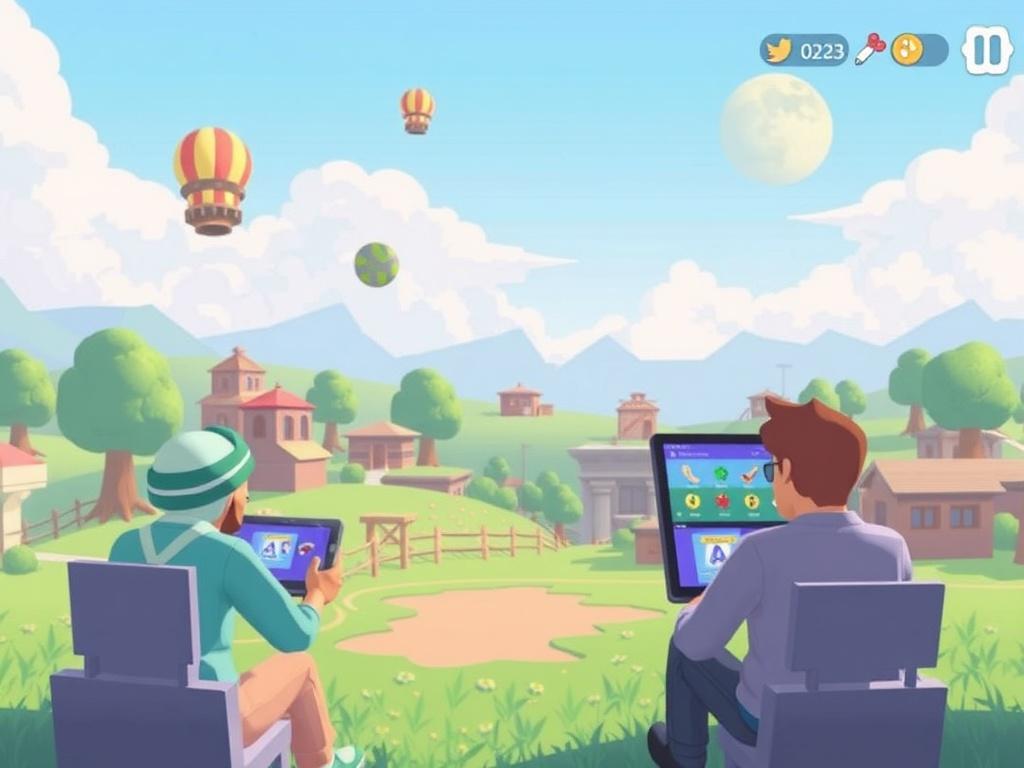
It feels like every week a new title or update hijacks my social feeds, with streamers and friends insisting I try whatever obsession has taken hold. The phrase Trending Games That Are Taking Over the Internet sums up that sudden, contagious energy—games spread now in hours rather than months. In this piece I’ll walk through the kinds of titles dominating conversation, why they catch on, and what to watch next as communities and creators push the ecosystem forward.
Why some games explode online
At the core of virality is a simple mix: accessibility, spectacle, and shareability. Games that are easy to jump into, visually or mechanically interesting, and built to produce moments worth sharing—whether a clutch play, a hilarious bug, or a dramatic comeback—have the best shot at breaking out. Developers increasingly design with clips and short-form video in mind, and platforms reward content that generates replayable highlights.
Another force is the crowded attention economy; an endorsement from the right streamer or a synchronized meme can lift a modest title into the mainstream virtually overnight. Timing matters too—releases that avoid saturated windows, or that introduce a fresh twist on a familiar formula, often get amplified. Finally, social mechanics inside the games themselves—cross-play, persistence, and social rewards—incentivize players to invite friends and create a feedback loop of growth.
Games to watch right now
Across genres, several patterns recur: live-service shooters that keep adding content, cozy multiplayer experiments, and indies with a single brilliant hook. Below is a compact snapshot of a few current breakout titles and why they resonated quickly with players and creators.
| Game | Platform | Why it’s trending |
|---|---|---|
| Skyward Co-op | PC, Consoles | Short co-op sessions, memorable emergent moments, streamer-friendly mechanics |
| Neon Heist Royale | PC | Blend of stealth and battle royale, intense endgames that clip well |
| Patchwork Isle | Mobile, Switch | Simple controls, creative user levels, huge shareable community content |
That table highlights different routes to attention: social immediacy, spectacle, and user-generated content. Each path produces a distinct pattern of growth and audience—some games build quickly on streaming platforms, while others simmer as creators remix and fan levels spread through social channels. Watching how creators interpret mechanics often tells you more about future popularity than raw download numbers.
Social and multiplayer sensations
Multiplayer experiences dominate for a reason: they turn players into promoters by design. When a match produces unpredictable moments—an absurd comeback or a comedic misplay—those clips naturally travel to feeds, sparking curiosity among viewers who want to reproduce the feeling themselves. Games that prioritize short rounds or low barrier-to-entry sessions are especially shareable since new players can participate with minimal commitment.
Live events and seasonal content amplify that effect, creating synchronized moments where large numbers of players experience the same spectacle at once. Developers lean on collaborations with influencers and pop-culture tie-ins to extend reach, and when those tie-ins are genuine rather than purely transactional, they resonate far more strongly. The result is an evergreen cycle: events create clips, clips attract viewers, and viewers become players.
Single-player and indie surprises
Not all viral games are live services; single-player indies still break through when they offer a fresh idea or aesthetic. A compact, emotionally resonant story or a striking visual palette can inspire essays, fan art, and speedruns that keep the title in cultural conversation. Often it’s a single powerful scene or mechanic—something that sticks in the mind and compels players to recommend it aloud to friends.
I remember discovering an indie platformer in a small stream chat where someone described a single level as “a two-minute masterpiece.” I hopped in, and within an hour I was recommending it to a different friend. That personal chain reaction—one player telling another—remains one of the most reliable engines of discovery, especially for games that reward shared enthusiasm rather than competitive performance.
Where trends start and how they spread
Trends emerge from an ecosystem of creators, communities, and platform algorithms working together. A single viral clip on a major platform can jumpstart interest, but sustained growth usually requires community tools—modding, level editors, guild systems—that let players make the game their own. Press coverage and aggregator sites can help, but the lasting winners are the games that convert curious viewers into engaged players and then into content creators.
- Streamers and video creators producing highlight reels and guides
- Short-form platforms amplifying crisp, repeatable moments
- Community hubs—Discord, Reddit, fan sites—organizing play and sharing tips
- Developer responsiveness through updates and communication
Understanding those channels is useful both for players who want to find the next hit and for developers hoping to build momentum. Trends tend to travel in predictable bursts—initial spike, creator adoption, community expansion—and then either stabilize into a loyal player base or fade as attention shifts elsewhere. The games that endure manage to convert transient curiosity into ongoing conversation.
How creators and players shape the next hits
Creators aren’t passive distributors; they experiment and iterate on content styles that highlight a game’s strengths, and their choices feed back into what becomes popular. I’ve adjusted the way I cover titles after seeing a format that consistently drew viewers and engagement, and that change in presentation helped a few smaller games I recommended to actually reach a wider audience. When creators and developers collaborate—through sponsored events, co-developed modes, or community showcases—the effect is especially potent.
Players also matter: the communities that form around a game decide whether it becomes a cultural fixture or a short-lived craze. Moderation, accessibility, and community tools determine whether newcomers feel welcome enough to stick around. For players who want to be part of the process, creating guides, clips, and mods is a way to influence not just what’s popular now, but what gains staying power long term.
What this means for players and creators
The current landscape rewards nimbleness: players who try new things quickly find gems, and creators who adapt their formats dictate which games get amplified. For developers, the lesson is clear—design for social moments and make it easy for fans to create around your title. For players, the joy is in discovering the next unexpected favorite and being part of the conversation that helps it thrive.
Trends will keep shifting as platforms evolve and new ideas surface, but that dynamic churn is part of the fun. Whether you’re chasing the latest spectacle or savoring a quietly brilliant indie, the networked nature of play today means you’re likely to find—and help build—the next big moment.