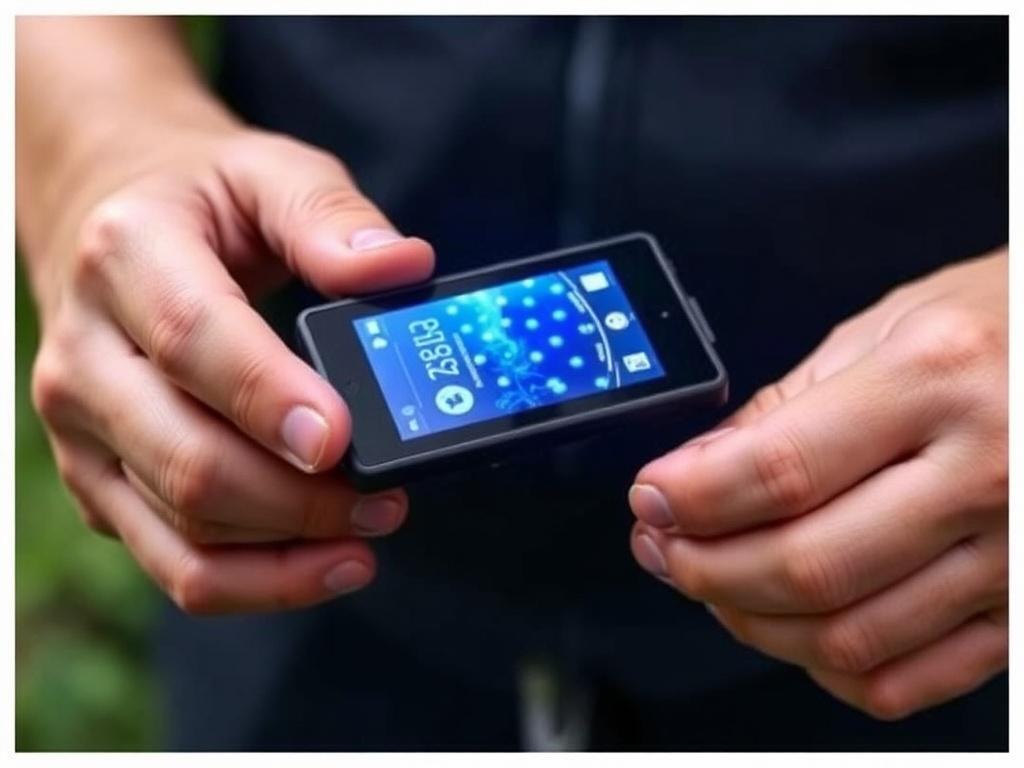
Something small, clever, and impossible to ignore has erupted into daily conversation from coffee shops to conference halls. People are calling it a game changer; others treat it like a pocket-sized convenience that quietly solves problems nobody knew they had. Whatever you call it, the rapid spread of interest is a story worth unpacking, and it reveals as much about us as it does about the device itself.
Why it’s everywhere
Virality rarely happens by accident. For this gadget, three elements lined up: an obvious usefulness, a sleek design, and a launch narrative that turned ordinary buyers into enthusiastic ambassadors. When a product reduces friction in everyday routines, word-of-mouth does the heavy lifting in a way advertising rarely can.
The other ingredient is timing. Consumers are more willing than ever to adopt compact tech that promises tangible benefits instead of speculative ones. Early adopters—tech reviewers, commuters, and parents juggling schedules—often model a new behavior; seeing friends use a device makes non-tech buyers comfortable trying it, too.
Design and practical features
Good gadgets feel inevitable the moment you hold them: balanced weight, intuitive buttons, and an interface that doesn’t require reading a manual. The device in question follows that principle, prioritizing straightforward controls and a minimal learning curve. That design philosophy lowers the barrier for casual users and reduces post-purchase frustration.
A few practical choices also matter: battery life that lasts through a day of real use, robust materials that endure pocket life, and thoughtful software updates that improve rather than complicate. Those decisions make a device feel mature from the start, and buyers notice the difference.
| Attribute | Why it matters |
|---|---|
| Portability | Makes the device useful in more contexts, increasing daily engagement. |
| Battery life | Reduces charging anxiety and keeps the gadget reliable during long days. |
| Simple interface | Encourages adoption by nontechnical users and speeds up onboarding. |
Real-world use cases and stories
In practical settings the gadget shines because it addresses specific, repeatable needs. Commuters use it to streamline small tasks, professionals rely on it for quick fixes between meetings, and families appreciate the way it clips into daily rhythms without ceremony. Those real-life routines create the daily impressions that lead to repeat praise.
I watched this happen in a local demonstration I attended: a device that seemed trivial at first turned into a lifesaver for a parent trying to calm a fussy toddler on a long train ride. That kind of testimony—real, small, and believable—spreads faster than any curated marketing campaign.
How it stacks up against alternatives
No gadget exists in a vacuum, and part of its swift rise is that it fits a gap between bulky, feature-heavy devices and cheap, unreliable knockoffs. Where larger systems offer power but demand commitment, and cheaper options sacrifice longevity, this newer device occupies a sweet spot of usefulness and reliability. That middle ground explains why a surprisingly broad cross-section of users finds value in it.
To help sort the options, consider the trade-offs in plain terms:
- Pros: immediate usefulness, low learning curve, strong word-of-mouth community.
- Cons: not aimed at power users, some niche features may be absent, initial supply can be limited.
Price, availability, and support
Affordability plays an outsized role in mass adoption. A moderately priced gadget that delivers consistent value invites impulse purchases and gift buys, which accelerates distribution through social networks. When manufacturers pair that price point with solid customer support, they reduce buyer hesitation and return rates.
Availability often lags initial demand, and early shortages can paradoxically boost interest by creating urgency. Long-term success depends on maintaining quality as production scales and on a clear upgrade path, whether through firmware improvements or accessory ecosystems.
Why it matters beyond the gadget
The broader lesson is not about a single device but about how people choose tools that smooth the edges of life. We favor tools that require little instruction, slot into existing habits, and deliver noticeable benefit quickly. That pattern shapes future product design: companies watching this rollout will try to copy its clarity and practicality.
Ultimately, the gadget’s rapid ascent reflects a moment when small, human-centered engineering meets cultural appetite. Whether it becomes a fixture of daily life or a stepping stone to something else, watching how ordinary people adopt and adapt to it reveals the rhythms of modern technology in action.